

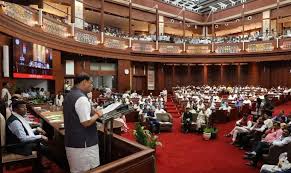
As Himanta Biswa Sarma was sworn in for a second consecutive term as Assam’s Chief Minister on Tuesday, the sheer scale of the BJP-led NDA’s landslide victory has triggered an unprecedented constitutional crisis. While the ruling alliance celebrated a commanding return to power with 102 seats in the 126-member Assembly, the dismal performance of the Indian National Congress has left the state’s legislative accountability in a state of paralysis.
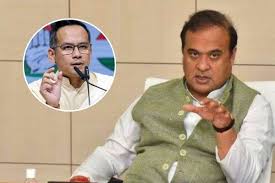
The Congress party was reduced to just 19 seats, the lowest tally in its political history in Assam. This catastrophic slump has direct constitutional consequences: for the first time since 1977, the Assam Assembly is set to function without an official Leader of the Opposition (LoP). Under established parliamentary convention, the single largest opposition party must secure at least one-sixth of the total House strength to claim the post. In a House of 126, that requirement stands at 21 seats, leaving the Congress two short of the mandatory threshold.
Legal experts and political observers have noted that this vacancy represents a move into uncharted territory. Senior advocate Anisur Rahman, as quoted by the local media, confirmed that while individual opposition parties will maintain their own leaders, the formal office of the LoP will remain vacant.
This is not merely a matter of prestige; the LoP is a central figure in legislative procedures, responsible for coordinating the opposition’s voice and ensuring that public concerns are strategically articulated during debates.
Chief Minister Sarma had previously suggested that the Congress might struggle to retain the position, a remark that was dismissed as a political jab during the campaign but has now been validated by the election results. Political scientists, including Professor Dhruba Pratim Sharma of Gauhati University, argue that the absence of a recognised LoP weakens the democratic fabric of the House. Without a singular figure to represent the collective opposition, the government’s absolute majority may face significantly less scrutiny, potentially endangering the institutional balance of the state.
As the BJP-led government prepares for another five years of dominance, the focus has shifted to the survival of opposition politics itself.
While legislative business such as the passage of bills will now be driven by an overwhelming government majority, analysts suggest the Congress must reinvigorate its organisational strength outside the Assembly if it hopes to remain relevant.
For now, the “numerical marginalisation” of the opposition means that the spirit of democratic scrutiny in Assam faces its sternest test yet.

Congress Electoral Collapse means no LoP status in Assam added by NEWSNET DESK on
View all posts by NEWSNET DESK →